
How to build the game of your dreams
Tip: Don't.


I’ve been developing video games for quite a while now. The first game I ever finished was in 2009 (a whopping 17 years ago). It’s called Koda, and it’s an absurdly difficult, insufferable puzzle-platformer that is unplayable today.
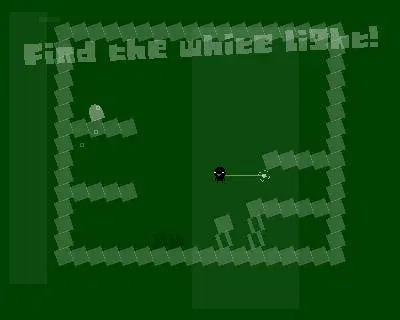
I made this game by sheer brute force. I was about 15, with plenty of free time, not much interest in studying, and a creative drive that I needed to release like I needed to breathe. So I grabbed the first tool that clicked with me, Game Maker, and started tinkering until I had something minimally playable.
That’s how a career of creating and publishing games on small sites began, a process of mashing the keyboard and, without being fully aware of it, learning along the way. I wasn’t doing it just for the sake of learning. I was also venting that creative current that’s always been inside me, pushing me to start projects.

Every game was an excuse to try something new. You have only 30 seconds is a platformer with horribly simple pixel art where you literally have to beat the game in 30 seconds or start over. IAD’s Rampage was my first game jam entry, featuring vector graphics and autoscrolling gameplay almost like a Gradius-style shoot 'em up. And Doomed Dungeon is a roguelike with 3D environments but hand-drawn elements, procedurally generated levels, and very RPG-heavy gameplay, complete with XP, skill points, and all the depth you’d expect from the genre.
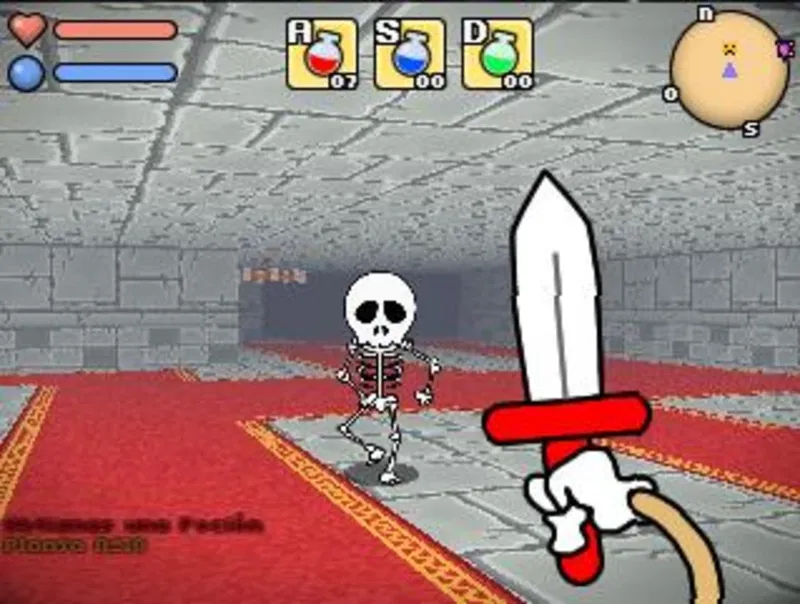
Without realizing it, I was discovering myself artistically, creating a bunch of very different games that forced me to learn and practice various concepts.
Then came a time when I wanted to take a bigger leap: make a commercial, more ambitious game and release it on a much larger platform, Steam. In 2016, as a slightly older Dani but with that same lack of interest in studying, I developed BOOR. Hands down, the biggest game I’ve ever made. A puzzle-platformer where you control a girl who can multiply her body for a short period of time.
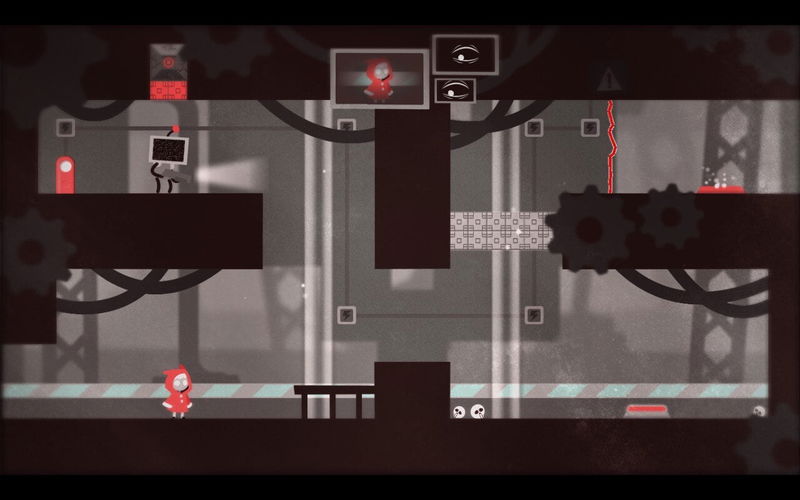
I have mixed feelings about this game. I’m very proud of the result and, to this day, it still seems crazy to me that I managed to develop a full game and everything that comes with it. I liked being able to pour my energy into a larger project to prove to myself that I could do it.
I went all in. I signed with a publisher who liked the game so they could handle the release and give me a push. I went to countless indie game conventions to show off the game and get feedback. I did all the marketing tasks I’ve always hated.
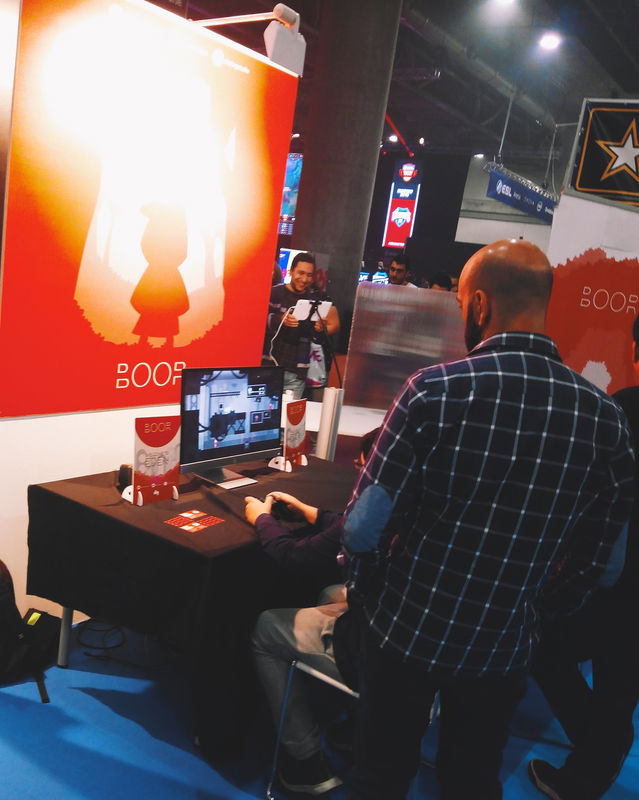
And it worked. I launched the game. It wasn’t a smash hit, but it sold okay. It made some money. The reviews weren’t bad, and people seemed to enjoy it.
But I remember that once it was published, I wanted nothing more to do with it. I was exhausted and wanted to do anything else. My reality was very different: I had embarked on a project bigger than I could handle. I hadn’t matured enough as a creator to produce something I was truly happy with.
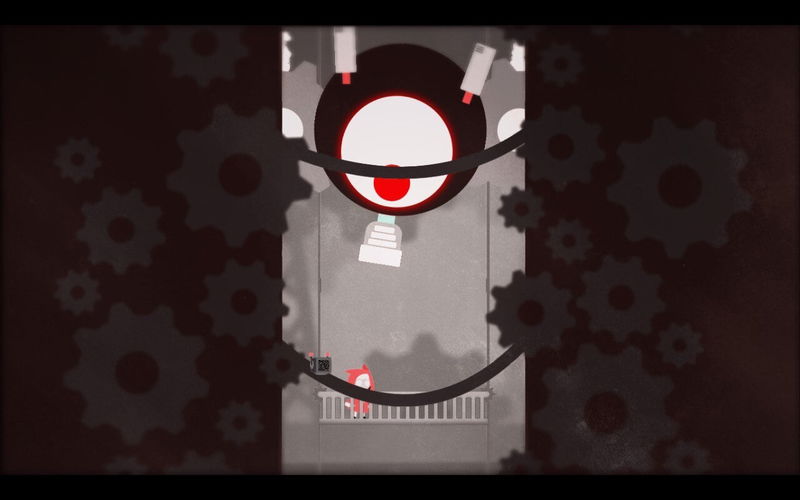
The game is pretty and visually striking. The reality is that creating the art was extremely demanding for me. The game has a story. It has cutscenes. The reality is that I had no idea how to develop a competent, interesting story. The levels are puzzles where you use the protagonist's multiplication ability to progress. The reality is that I had never developed puzzles beyond tiny two-day games, and designing them felt like an odyssey. So much so that many levels ended up being more about platforming and reflexes than solving puzzles. For some reason, I decided to add boss fights. Past Dani, I’m talking to you: that was not a good idea. And don't even get me started on having to promote the game so people would know it existed. I’ve always found it horrifying.
The truth was: I wasn't ready. Something I was supposed to enjoy, and had enjoyed before, turned into a frustrating, heavy, and unrewarding process.
I learned something very valuable: everyone, in their artistic side, has a learning process you just can't skip. Since BOOR, I’ve developed many other smaller games where I truly enjoyed the process and learned something from each one.
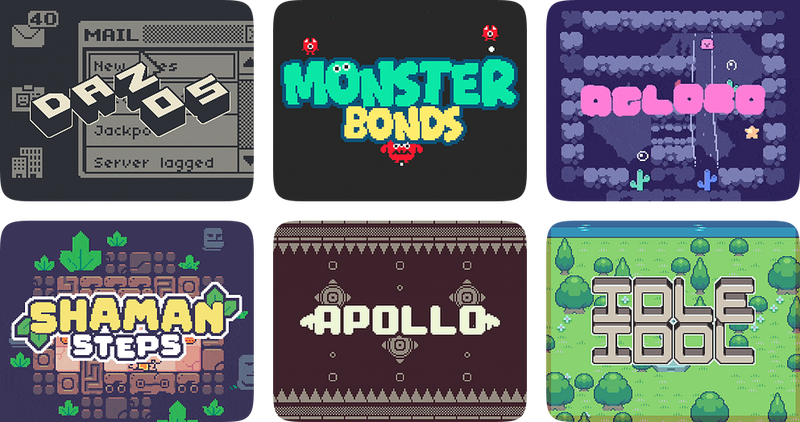
I’ve been developing video games for quite a while. People often ask me how to start. I don’t think I can give great advice, but the one thing I can say with total conviction is: make lots of small games.
Learn the basics and experiment without the weight of failure. Learn the art of finishing projects and shipping them. Internalize where to put your effort and learn to be smart about how you spend your energy. Avoid financial and emotional disaster. And, most importantly, discover yourself as a creator.

Comments
Dude, this is so cool 😎. I've always wanted to get into games, and this is inspiring. Keep sharing your journey ❤️